Introduction
In the bustling landscapes of modern cities, the availability and accessibility of fresh and nutritious foods are often taken for granted. However, beneath the surface lies a complex web of challenges that intertwine to create a number of issues affecting urban populations. In this article, we will delve into the interconnected problems of supply chain disruptions, food insecurity, and the existence of food deserts in cities, exploring how these challenges perpetuate a cycle that impacts the well-being of individuals and communities.
Supply Chain Vulnerabilities
The complicated web of the global food supply chain is both a marvel and a vulnerability. The journey of food from farms to urban shelves involves multiple stages, including production, processing, distribution, and retail. Any disruption at any point in this chain can have cascading effects, leading to shortages and increased prices. Events such as natural disasters, transportation issues, and global crises like pandemics have highlighted the fragility of this system. Urban areas, heavily reliant on a seamless supply chain, are especially susceptible to the ramifications of disruptions, which can quickly translate into food shortages.
Urban Food Deserts
The term ‘food desert’ refers to areas within cities where residents face limited access to affordable, nutritious food. These ‘food deserts’ often emerge due to a combination of economic, geographic, and social factors. In urban settings, the uneven distribution of grocery stores, farmers’ markets, and other sources of fresh produce can create pockets where residents have to travel significant distances to access healthy food options. This lack of proximity exacerbates issues of food insecurity, as individuals in these areas may rely more on convenience stores or fast-food outlets, which often offer less nutritious options.
Economic Disparities and Affordability
Food insecurity is closely tied to economic disparities within urban populations. Low-income neighborhoods, frequently affected by higher unemployment rates and lower wages, are more likely to experience food insecurity. In these areas, the cost of fresh and nutritious food can be prohibitively high, pushing residents towards cheaper but less healthy alternatives. The economic challenges faced by individuals and families in urban environments become a barrier to accessing the essential elements of a balanced diet, which can perpetuate a cycle of poor nutrition and negative health outcomes.
Limited Availability of Fresh Produce
The distribution patterns within urban areas often contribute to the limited availability of fresh produce in certain neighborhoods. While some areas boast well-stocked grocery stores and vibrant farmers’ markets, others may struggle to attract businesses that provide access to a variety of fresh fruits and vegetables. This discrepancy is often linked to socio-economic factors, with businesses choosing locations based on perceived profitability. As a result, some urban residents find themselves with limited options for obtaining the essential components of a healthy diet.
Transportation Barriers
In many urban areas, particularly those with inadequate public transportation systems, accessing food can become a logistical challenge. Residents without personal vehicles may find it difficult to travel to grocery stores or markets, especially if these essential resources are located at a distance. This transportation barrier contributes to the creation of food deserts within the city, as individuals are limited in their ability to make regular trips for fresh and nutritious food, namely fresh fruits and vegetables.
Social Determinants of Health
The challenges of supply chain disruptions, food insecurity, and food deserts are deeply intertwined with social determinants of health. Factors such as race, ethnicity, and socioeconomic status can play a role in shaping access to healthy food options in certain geographical locations. Inequalities in housing, education, and employment contribute to the concentration of food deserts in marginalized communities, amplifying health disparities and perpetuating cycles of poverty and poor health.
Health Consequences of Poor Nutrition
The consequences of inadequate access to nutritious food are far-reaching, impacting not only physical health but also mental well-being. Communities facing food insecurity and residing in food deserts are more vulnerable to a range of health issues, including malnutrition, obesity, diabetes, and cardiovascular diseases. The lack of fresh produce and balanced nutrition can lead to a reliance on processed and calorie-dense foods, contributing to a host of diet-related health problems.
Community-Based Solutions
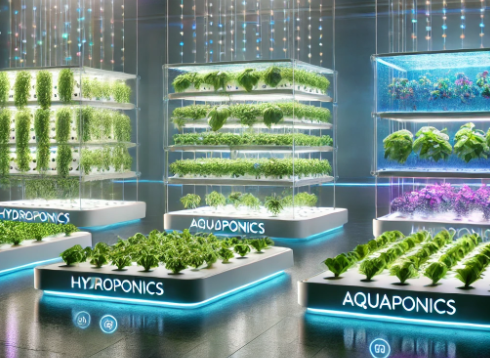
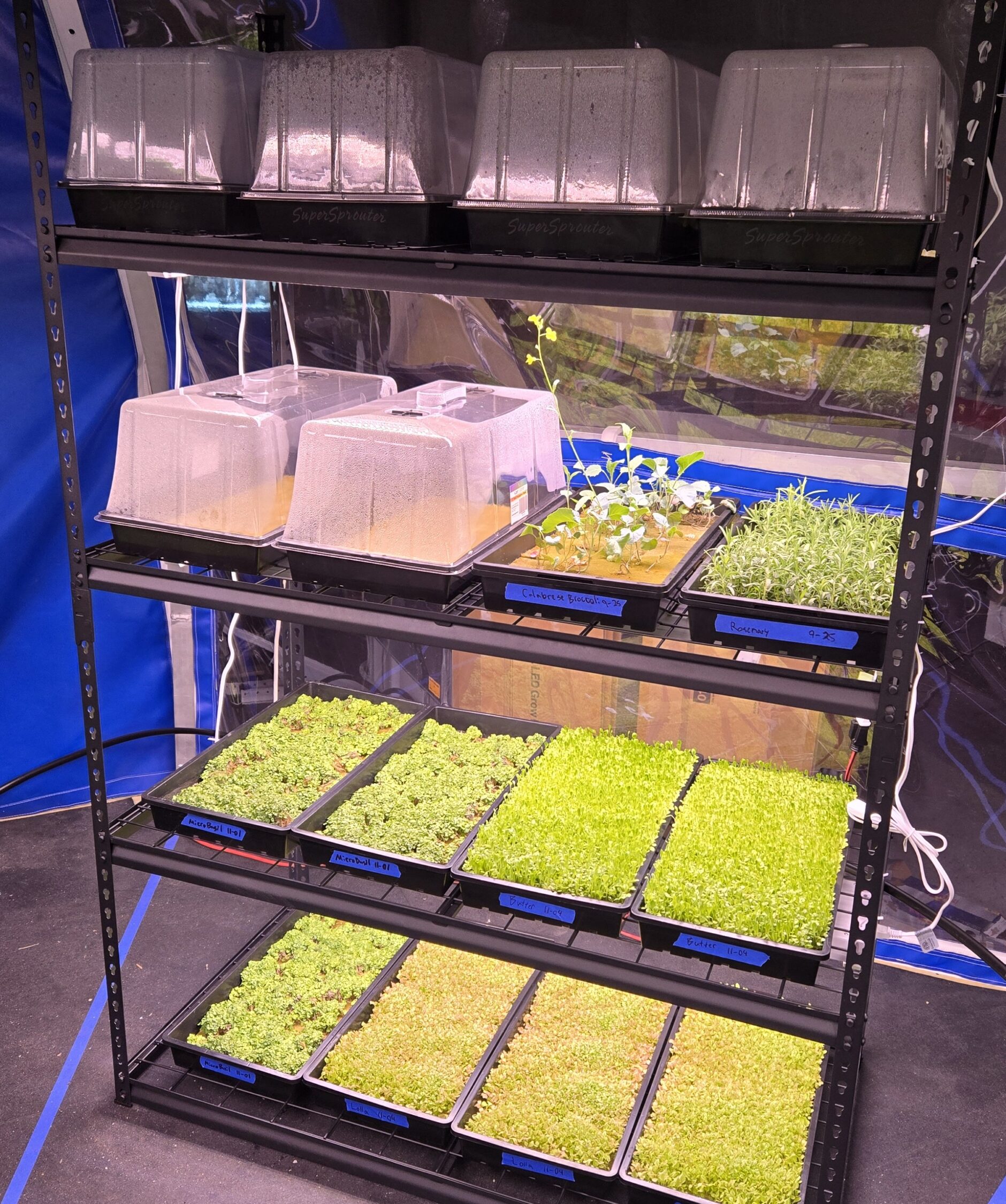
Addressing the challenges of supply chain issues, food insecurity, and food deserts requires a multifaceted and community-driven approach. Initiatives that empower communities to take charge of their food systems, such as community gardens, farmers’ markets, and local food cooperatives (co-ops), can play a pivotal role in increasing access to fresh and affordable produce. These community-based solutions not only provide immediate relief but also foster a sense of agency and resilience within urban neighborhoods. Indoor and vertical farming solutions also play a role in reducing issues with supply chain and food insecurity, by working to bring agricultural production methods closer to cities and urban environments.
Policy Interventions and Urban Planning
Policy interventions at local, regional, and national levels are essential for creating systemic change. Urban planning that prioritizes equitable access to healthy food, zoning regulations that incentivize the establishment of grocery stores in underserved areas, and financial support for community-driven initiatives are critical components of a comprehensive strategy. Advocacy for policies that address economic disparities, improve public transportation, and promote sustainable agriculture can contribute to long-term solutions for urban food challenges. Many cities are already implementing policy action to require green roots on rooftops or other sustainability initiatives for apartments and other buildings.
Educational Campaigns and Food Literacy
Empowering individuals with knowledge about nutrition, meal planning, and budgeting is fundamental to breaking the cycle of poor food choices and food insecurity. Educational campaigns and programs that promote food literacy can provide residents in urban areas with the skills and information needed to make healthier dietary choices. By addressing the root causes of food insecurity and promoting a holistic understanding of nutrition, these initiatives contribute to building a foundation for long-term health and well-being.
Conclusion
In conclusion, the intersection of supply chain vulnerabilities, food insecurity, and the existence of food deserts in cities paints a complex portrait of challenges that demand urgent attention. The well-being of urban populations is intrinsically linked to their ability to access fresh, nutritious food, and addressing these issues requires a comprehensive and collaborative effort. From community-based solutions to vertical farming to policy interventions and educational campaigns, there are a myriad of avenues through which positive change can be achieved. By recognizing the interplay of these challenges and working towards holistic solutions, we can pave the way for a more prosperous and nourished urban future. As we navigate the complexities of the modern food landscape, let us strive for a world where access to healthy food is a fundamental right, not a privilege.