Introduction
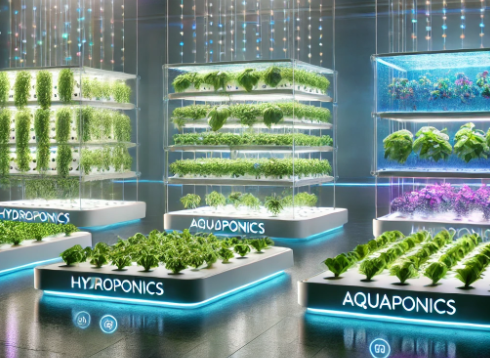
As the global demand for sustainable food production intensifies, innovative agricultural practices have come to the forefront. Among these, hydroponics is one of the most effective and widely used forms of soil-less agriculture. At its core, hydroponics is the science of cultivating plants without soil, using nutrient-rich water solutions to provide all the essential elements plants need to thrive. It not only conserves resources like water and land but also allows for precise control over growing conditions, making it an attractive option for both commercial farming and home gardening.
In this article, we will explore the fundamental principles of hydroponics, delving into its versatility and efficiency. We will also examine five prominent types of hydroponic systems:
- The Kratky method
- Deep water culture (DWC)
- Ebb and flow
- Nutrient film technique (NFT)
- Drip hydroponics
Each system offers unique advantages and applications. Whether you’re a seasoned grower or a curious newcomer, this guide will illuminate the potential of hydroponics as a transformative force in modern agriculture.
What Is Hydroponics?
At its most basic level, hydroponics works by replacing soil with a carefully balanced mixture of water and nutrients that plants need to grow. Instead of relying on the soil to deliver these essentials, the roots of the plants are suspended directly in the nutrient-rich solution or supported by a growing medium like clay pebbles or coconut coir. This allows the plants to absorb nutrients and oxygen more efficiently, promoting faster and healthier growth. By eliminating soil, hydroponics reduces the risk of pests and diseases and ensures that every drop of water and nutrients is used with minimal waste, making it an incredibly efficient and resource-friendly way to grow plants.
The Kratky Method
The Kratky method is one of the simplest and most beginner-friendly hydroponic techniques, requiring no pumps, timers, or advanced equipment. This passive system works by suspending plant roots in a container filled with a nutrient-rich water solution, with the plants held in place by a lid or floating raft. As the plants grow and consume the water, the liquid level naturally drops, creating an air gap that allows the roots to access both oxygen and nutrients simultaneously. This self-regulating feature eliminates the need for constant monitoring or aeration, making it an ideal method for those new to hydroponics.
To set up a Kratky system, all you need is a container, a lid with holes to hold net pots, a hydroponic nutrient solution, and your choice of plants. Start by filling the container with the nutrient solution, ensuring it reaches just below the base of the net pots. Insert the plants or seedlings into the pots with a growing medium like rock wool or clay pebbles for support. Place the setup in a location with adequate light, and the system will take care of the rest. With minimal effort, the Kratky method can yield fresh, healthy produce in as little as a few weeks.
Deep Water Culture (DWC)
Deep Water Culture (DWC) is a straightforward yet highly effective hydroponic system that keeps plant roots immersed in a constantly oxygenated nutrient solution. In this setup, plants are suspended in net pots above a reservoir, allowing their roots to dangle directly into the water below. An air pump and air stone work together to continuously aerate the solution, providing ample oxygen to the submerged roots, which is essential for healthy growth and preventing root rot.
DWC is favored for its simplicity and rapid growth rates, particularly in leafy greens and herbs. To build a DWC system, you’ll need a container to serve as the reservoir, an air pump with tubing, an air stone for aeration, and net pots to hold the plants. Fill the reservoir with a nutrient solution, ensuring the roots of your plants are fully submerged while the plant base remains dry. Place the system under adequate light, and the combination of oxygen, nutrients, and water will keep your plants thriving with minimal maintenance.
Ebb and Flow
Ebb and Flow, also known as Flood and Drain, is a dynamic hydroponic system that uses cycles of flooding and draining to deliver nutrients and oxygen to plants. Plants are placed in a grow tray filled with a growing medium such as clay pebbles or coconut coir. At regular intervals, a pump floods the tray with nutrient-rich water from a reservoir, soaking the roots and the medium. Once the tray is saturated, the water drains back into the reservoir, creating a period of oxygenation for the roots.
This method is highly versatile and can accommodate a wide variety of plants, from leafy greens to fruiting vegetables. To set up an Ebb and Flow system, you’ll need a grow tray, a reservoir, a submersible pump, and a timer to regulate the flood cycles. The alternating wet and dry phases help to stimulate healthy root development and nutrient uptake, making it a popular choice for both small-scale and commercial hydroponic growers.
Nutrient Film Technique (NFT)
The Nutrient Film Technique (NFT) is a continuous-flow hydroponic system that delivers a thin film of nutrient solution over the roots of plants. In this setup, plants are placed in a sloped grow channel, with their roots exposed to the flowing solution. The slight incline ensures that the water constantly moves, providing a steady supply of nutrients and oxygen while minimizing waste. Excess solution collects at the bottom and recirculates back to the reservoir, making NFT a highly efficient method.
NFT is best suited for fast-growing plants with smaller root systems, such as lettuce and herbs. To create an NFT system, you’ll need a reservoir, a pump to move the nutrient solution, and grow channels made of PVC pipes or similar materials. As the solution flows through the channels, it allows roots to absorb nutrients directly while remaining partially exposed to air for oxygen uptake. This balance of simplicity and efficiency makes NFT a favorite among commercial growers.
Drip Hydroponics
Drip hydroponics is a highly adaptable system that delivers nutrient solutions directly to the base of each plant through a network of drip emitters. Plants are grown in individual containers filled with a medium like clay pebbles or perlite, which anchors the roots and retains moisture. A pump moves the nutrient solution from a reservoir through tubing to the emitters, providing precise, consistent feeding to each plant.
Drip systems can be configured as either recirculating or non-recirculating, depending on whether the excess solution is collected and reused. This flexibility makes drip hydroponics ideal for growing a wide range of crops, from tomatoes to strawberries. Setting up a drip system requires emitters, tubing, a pump, and a timer to control the frequency of feeding. The targeted delivery method ensures efficient water and nutrient use while allowing growers to tailor the system to meet the needs of specific plants.
Conclusion
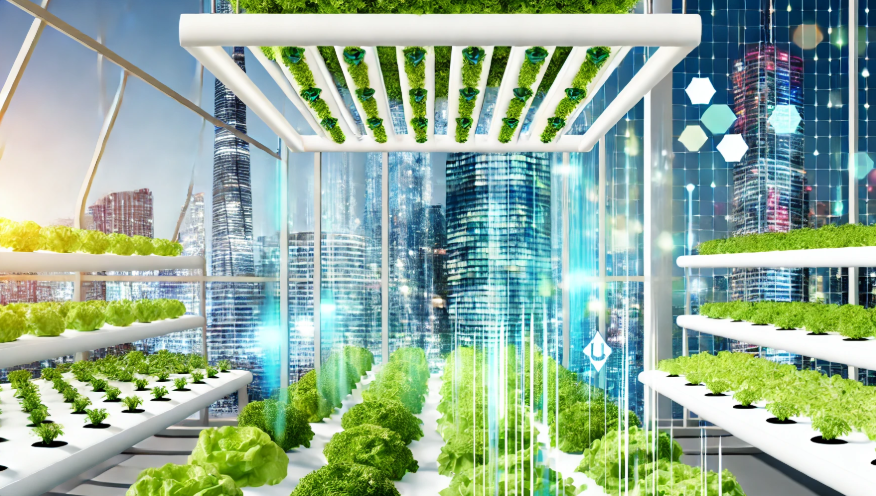
Hydroponics represents a groundbreaking shift in how we approach agriculture, offering efficient, sustainable solutions to some of the most pressing challenges in food production today. From the simplicity of the Kratky method to the high-tech precision of drip systems, these techniques provide versatile options for growers of all levels. By eliminating soil and maximizing resource efficiency, hydroponics empowers us to cultivate healthier plants with a smaller environmental footprint.
As we continue to reimagine farming for a changing world, BioDome is proud to be part of this transformative journey. By harnessing the power of innovative hydroponic systems, we’re not just growing plants — we’re growing the future of food. Whether you’re an experienced grower or just beginning to explore the possibilities of indoor farming, BioDome is here to support your path toward sustainable and successful agriculture. Let’s grow together.