Introduction
In our interconnected world where produce from around the globe lines our supermarket shelves, the concept of “food miles” has emerged as a critical consideration in discussions surrounding sustainability and environmental impact. But what exactly are food miles, and why do they matter? In this article, we will delve into the definition of food miles, examine their environmental and economic implications, and explore ways to mitigate their effects on our food systems.
What are Food Miles?
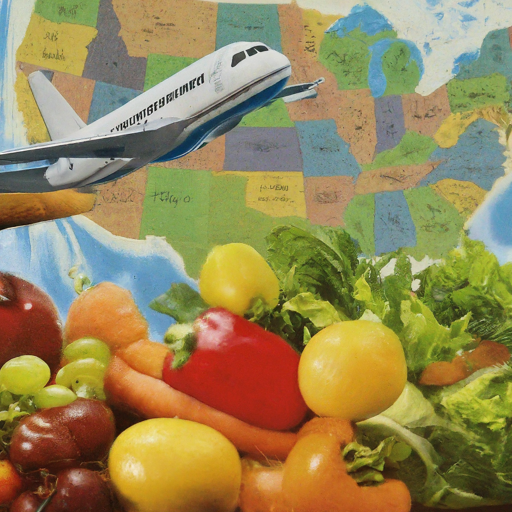
“Food miles” refer to the distance that food travels from the place of production to the point of consumption. While the term “food miles” primarily encompasses the physical distance traveled by food, it also encompasses the associated energy and resources expended during transportation, including fuel consumption, emissions, and packaging materials.
The Impact of Food Miles
- Environmental Impact
Food miles have significant environmental implications, primarily due to the emissions generated during transportation. The transportation of food by trucks, ships, planes, and other vehicles relies heavily on fossil fuels, contributing to greenhouse gas emissions and air pollution. These emissions contribute to climate change, exacerbating global warming and its associated impacts, such as extreme weather events, sea-level rise, and habitat destruction. - Resource Depletion
In addition to greenhouse gas emissions, the transportation of food over long distances consumes vast amounts of energy and resources. This includes the fuel used by vehicles, as well as the energy required for refrigeration, packaging, and storage. The intensive use of resources contributes to environmental degradation, including the depletion of non-renewable energy sources, increased water consumption, and habitat destruction. - Loss of Nutritional Value
Foods that travel long distances may undergo prolonged storage and transportation periods, leading to a loss of nutritional value. Fruits and vegetables, in particular, may experience nutrient degradation over time, diminishing their health benefits by the time they reach consumers. Additionally, the need for extended shelf life may result in the use of preservatives and other additives, further compromising the nutritional quality of the food. - Economic Implications
While the globalized food system has facilitated access to a wide variety of food products year-round, it has also led to economic disparities and inefficiencies. Small-scale farmers and local producers may struggle to compete with large-scale agribusinesses that benefit from economies of scale and lower production costs. Additionally, the reliance on imported foods can leave communities vulnerable to price fluctuations, currency fluctuations, and supply chain disruptions.
Mitigating the Impact of Food Miles
- Supporting Local and Regional Food Systems
One of the most effective ways to reduce food miles is to support local and regional food systems. By purchasing locally grown and produced foods, consumers can minimize the distance that food travels from farm to table. Farmers’ markets, rooftop gardens and farms in cities, community-supported agriculture (CSA) programs, and farm-to-table restaurants are excellent sources of locally sourced foods that support the local economy and reduce environmental impact. - Embracing Seasonal Eating
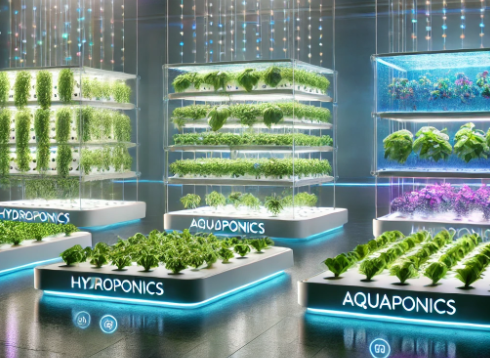
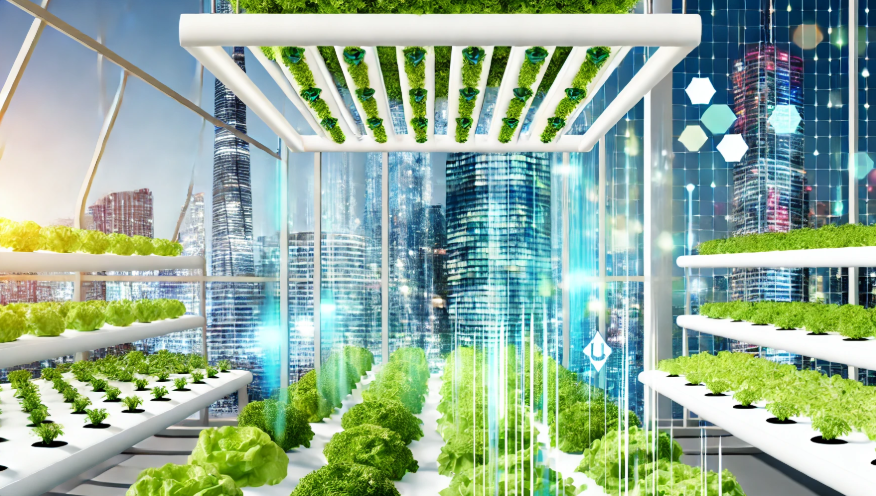
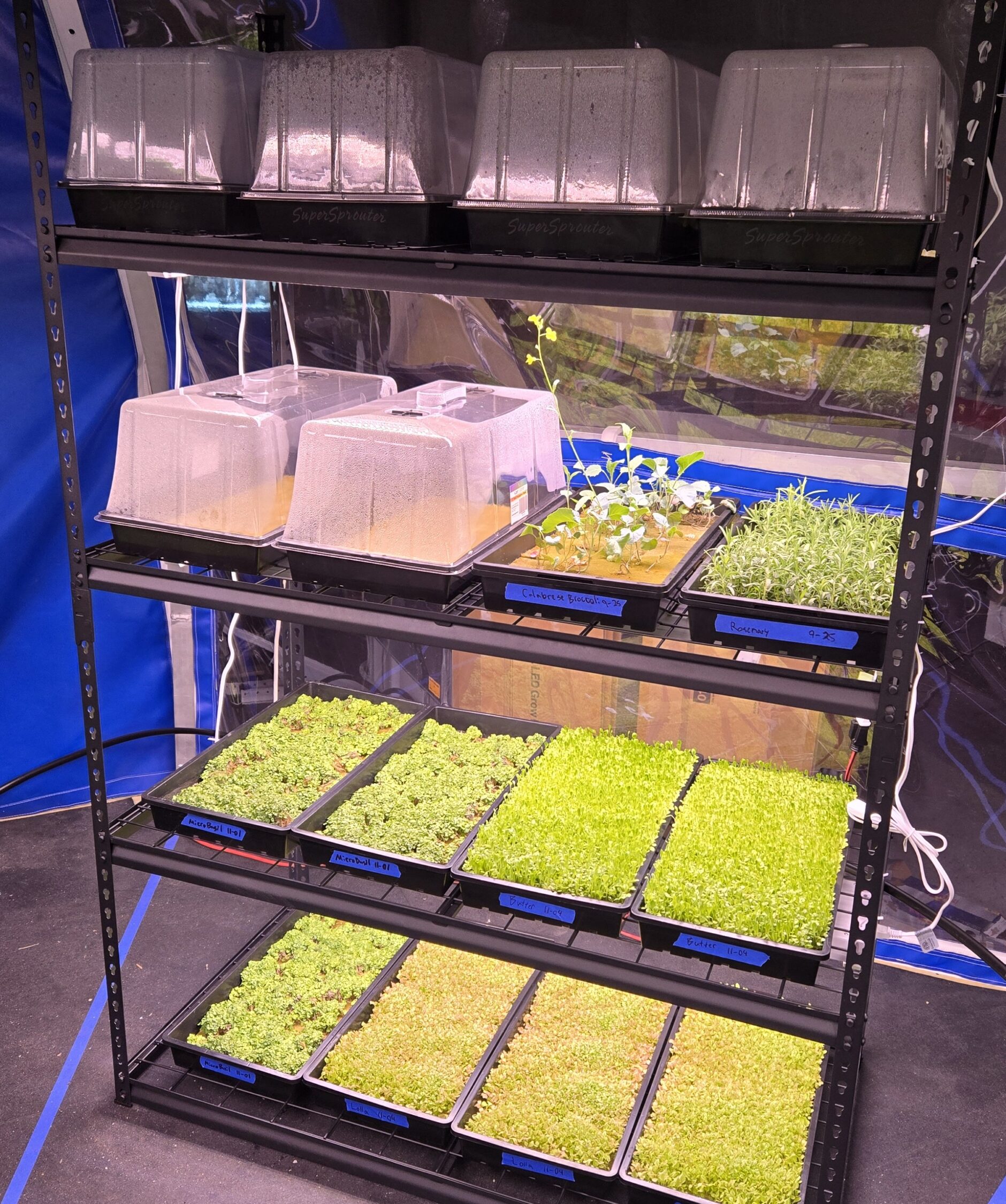
Embracing seasonal eating is another strategy for reducing food miles and promoting sustainability. Seasonal produce is typically grown and harvested locally, reducing the need for long-distance transportation and refrigeration. By aligning their diets with the natural rhythms of the seasons, consumers can enjoy fresh, flavorful foods while minimizing their carbon footprint. Another option is to purchase produce from indoor farming companies, as many of them are located in or near major cities and have the ability to grow seasonal produce year-round with reduced impact on carbon emissions and food miles. - Choosing Sustainable Transportation Options
When purchasing foods that cannot be sourced locally, consumers can opt for products that have been transported using more sustainable transportation methods. For example, choosing products that have been shipped by sea or rail rather than air freight can significantly reduce emissions. Additionally, selecting products with minimal packaging or eco-friendly packaging can further reduce environmental impact. Finally, vertical farming is a good solution to reduce food miles because it allows for food production in closer proximity to urban areas. - Supporting Sustainable Agriculture Practices
Supporting sustainable agriculture practices, such as organic farming, agroforestry, indoor agriculture, and regenerative agriculture, can also help mitigate the impact of food miles. These practices prioritize environmental stewardship, biodiversity conservation, and soil health, resulting in lower carbon emissions and resource use. By supporting farmers and producers who prioritize sustainability, consumers can contribute to a more resilient and environmentally friendly food system.
Conclusion
In conclusion, food miles play a significant role in shaping the environmental and economic impact of our food systems. By understanding the implications of food miles and adopting strategies to mitigate their effects, we can work towards a more sustainable and resilient food system. From supporting local and regional food systems to embracing seasonal eating and sustainable agriculture practices, there are numerous ways that individuals can contribute to reducing food miles and promoting a healthier planet. As consumers, we have the power to make informed choices that prioritize sustainability and support a more equitable and environmentally friendly food system for future generations.