What Is Indoor Farming?
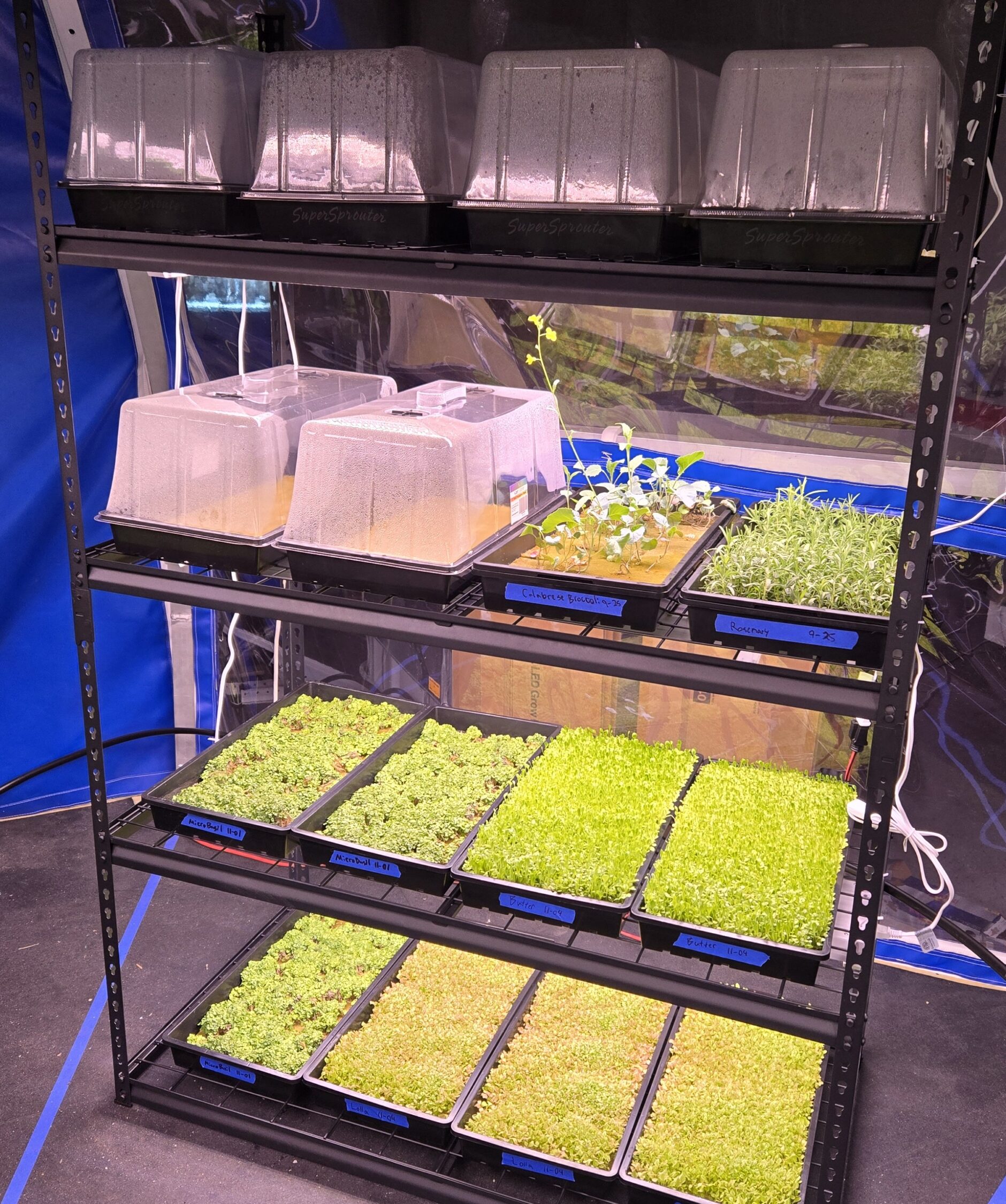
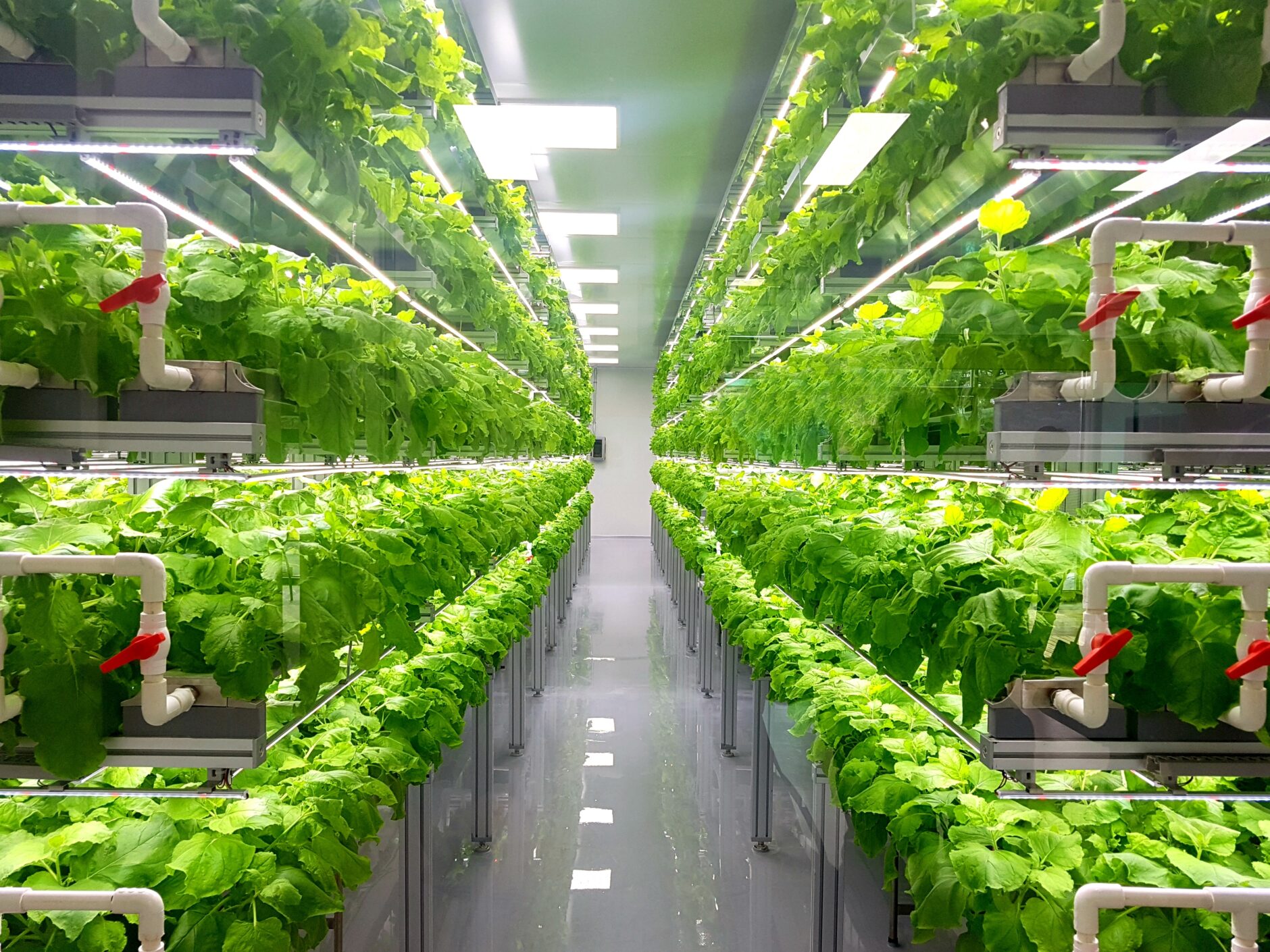
Indoor farming is a relatively new process in which plants are grown in enclosed structures, usually preferring to use artificial light and soil-less growing methods. Plants go through the process of photosynthesis with an artificial light called full-spectrum lighting, which is supposed to mimic light given off from the sun. Plants are typically grown in hydroponic, aquaponic, or aeroponic growth systems, which allow the plants roots to take up water and nutrients without using soil. Indoor farming is rapidly becoming more prominent in the United States and other countries as people search for new ways to produce food in smaller areas and seek to feed the growing population of the world.
Vertical Farming
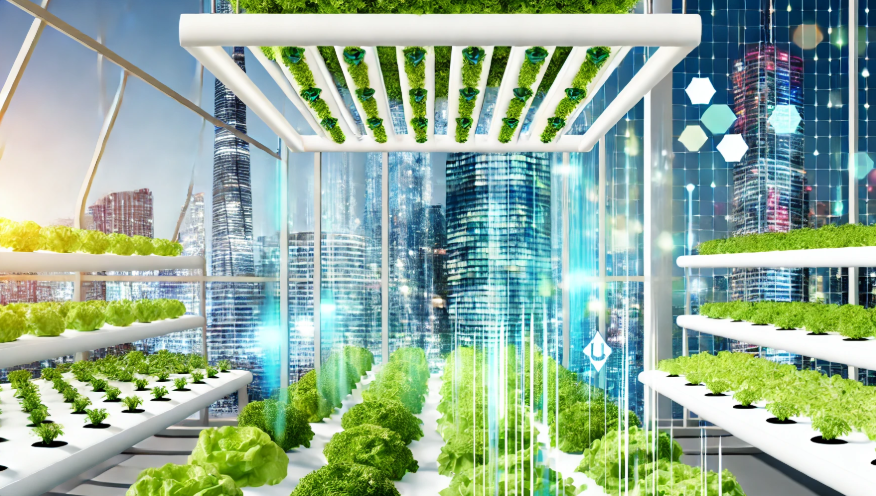
Vertical farming is a type of indoor farming looking to be more efficient in terms of utilization of space. Like the name suggests vertical farming seeks to use space vertically as opposed to taking more square feet of space on the ground. Many indoor farms implement vertical farming techniques since many indoor farming processes lend well to stacking and many of the indoor farms realize that places in or near cities lack space on the ground, but do allow for more vertical space. Indoor farming companies are taking their farms near or directly in the limits of cities in order to supply fresh produce to the people who live there.
Growing Techniques
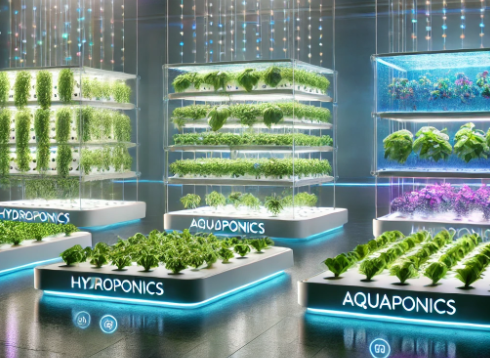
Hydroponics – growing plants using hydroponics, the plants roots are submerged in a liquid solution (usually water with some form of nutrients for the plant). This method does not use soil, and the plant receives the water and nutrients needed to grow and produce fruit from the liquid solution. By using this method, plants can more effectively take up the water and nitrates which cause them to grow. Hydroponics typically grow plants quicker and more efficiently than soil based farming techniques. Hydroponics also uses less water than soil based farming due to the fact that there is no loss of water in this method, whereas in the ground, some of the water would drain to other places, not reach the plant, or evaporate.

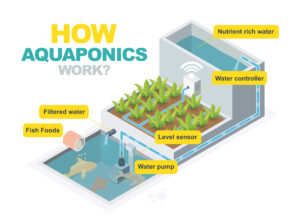
Aquaponics – growing plants using aquaponics is similar to hydroponic growth and it is actually a type of hydroponics, but where it differs is that it uses a system that grows and maintains fish and uses the fish as a way to filter the water and provide nutrients. A hydroponic system is set up, but instead of the pH balance and nutrients in the water being controlled by adding a nutrient solution and pH balancer or filters, the water under the plant roots is connected to an external fish tank. Sturgeon are the fish most commonly used in this practice for a number of reasons, but many different types of fish can be utilized. The water with the fish excrement which is rich is fertilizing nutrients leaves the fish tank and flows through the hydroponic system, providing natural nutrients to the roots of the plants and allowing the plants to grow. The water that has filtered through the plant roots is clean and pumped back into the fish tank. Aquaponics can be a good natural solution for growing plants hydroponically, but it does require additional space for the fish, the fish must be fed and cared for, and when the fish get too big they must be replaced. The other issue is figuring out what to do with the fish. Some people raise fish that can be sold and eaten when they reach maturity, others can produce products like caviar from the fish eggs, but these are all additional tasks and complications to the plant growing process for many indoor farmers.
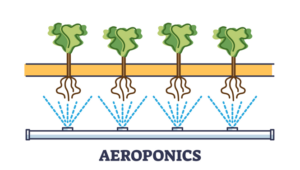
Aeroponics – growing plants aeroponically is similar to growing plants hydroponically, but the main difference is that the plant roots are not submerged in a liquid solution for any amount of time. While some methods of hydroponics have flowing water, or use processes that fill and then empty the tank that the roots sit in, aeroponics use a misting system to keep the roots of the plants wet while allowing the roots to hang completely in air. Plants sit in little wire mesh cups, which allow their roots to hang down into an empty tank. The roots are then misted with a liquid solution at a constant interval, making sure they do not dry out. The mist produced by the system comes out as very fine, atomized particles or droplets that stick to as much of the surface area of the roots as possible. The roots absorb the water and nutrients from the solution from the droplets, and by being exposed to the air around them, it allows for oxidization to occur causing the plants to absorb the nutrients faster and more efficiently than in hydroponic or soil based systems. Aeroponics can increase the speed at which plants can grow by a significant amount, making it an interesting technology for new indoor farmers to consider.
Lighting
As referenced in the introduction, most indoor farms utilize full spectrum lights, also referred to as grow lights. These lights mimic the light given off by the sun and cause plants to undergo photosynthesis. Many plants have the ability to photosynthesize for more hours of the day than sun light is available, with some plants able to undergo light photosynthesis continuously all 24 hours of the day. By tricking the plants with the full spectrum lighting, indoor farmers can make plants grow faster than they normally would via sunlight. Some indoor farms have complex temperature, humidity, and light cycles which optimize the ability for plants to grow.
Companies and Market Analysis
BioDome is an emerging startup in the indoor agriculture space, looking to bring fresh produce directly to consumers through a produce subscription service incorporated into apartment buildings so that tenants can get the freshest, healthiest produce available delivered to their doorstep, grown on their rooftop. At BioDome, we are looking to break into this emerging industry and help eliminate food deserts in cities across the United States. The indoor farming industry as a whole is very new and one of the fastest growing industries in the U.S. especially as more focus is put onto sustainability and healthy lifestyles. Other major players in the industry include: AeroFarms, a Newark based indoor farming warehouse company, Bowery Farming, another warehouse based indoor farming company building distribution centers outside of major cities, Square Roots, a company turning old shipping containers into vertical farms in Brooklyn, and many more. Indoor farming is revolutionizing the agriculture industry and bringing better access for healthy foods to people living in cities across the U.S. and the world.