Introduction
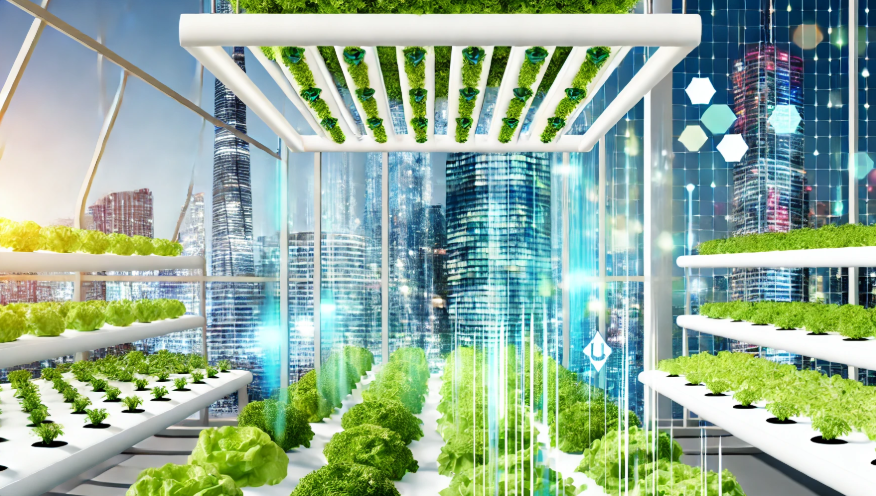
In the world of indoor farming, three innovative growing techniques have taken center stage: hydroponics, aeroponics, and aquaponics. These systems are revolutionizing how we produce food by minimizing resource use, maximizing yield, and enabling year-round cultivation in controlled environments. But what exactly sets these methods apart, and which one might be the right fit for your needs? Whether you’re an urban farmer, a sustainability enthusiast, or simply curious about cutting-edge agriculture, this guide will break down the key differences and benefits of each system. At BioDome, we specialize in sustainable indoor farming solutions, harnessing advanced aeroponic technology to grow fresher, cleaner produce with unparalleled water efficiency. Let’s dive into these fascinating systems and uncover how they’re shaping the future of food production.
Indoor Farming Methods & Their Similarities
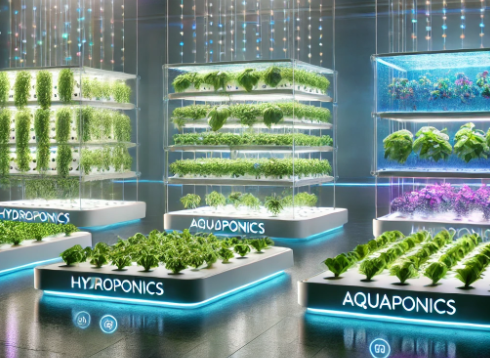
Indoor farming is the practice of growing crops within controlled environments, such as greenhouses, vertical farms, or climate-regulated facilities. By moving agriculture indoors, farmers can sidestep the challenges of traditional farming—unpredictable weather, pests, and resource inefficiencies—while optimizing conditions for plant growth. Hydroponics, aeroponics, and aquaponics are three popular methods used in indoor farming, each offering unique approaches to soil-free cultivation. While hydroponics relies on nutrient-rich water solutions, aeroponics suspends plants in air and delivers nutrients via mist, and aquaponics integrates fish farming into the system to create a symbiotic ecosystem. Despite their differences, all three methods share some key similarities: they reduce water usage compared to traditional farming, eliminate the need for soil, and allow crops to grow faster and more efficiently in tightly controlled conditions. These methods are empowering individuals, businesses, and communities to grow fresh, sustainable produce anywhere, from urban rooftops to remote locations. At BioDome, we leverage some of these innovations, mainly hydroponics and aeroponics, to offer sustainable solutions tailored to the future of farming.
Hydroponics
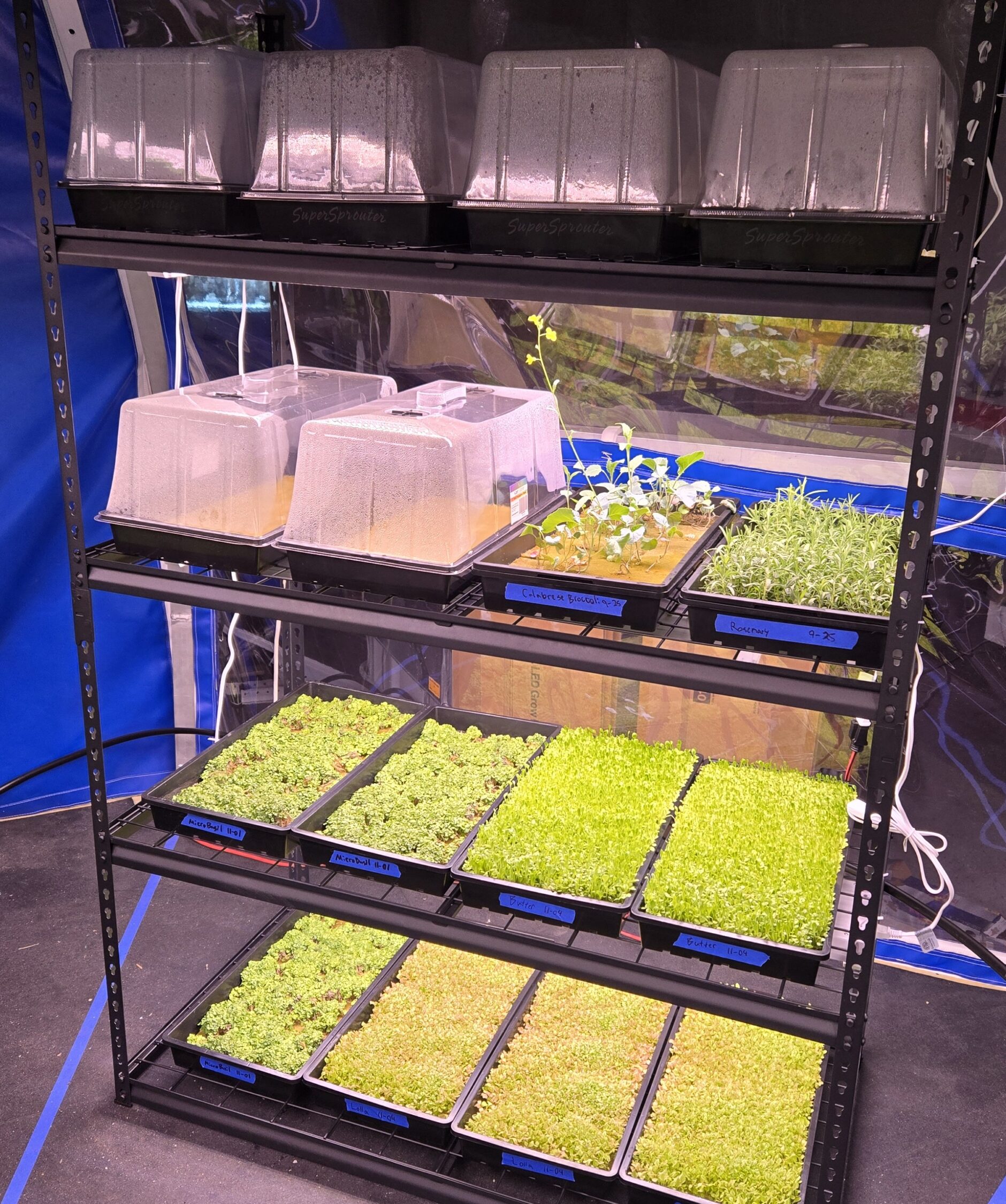
Hydroponics is a method of growing plants without soil, using a nutrient-rich water solution to deliver essential minerals directly to the roots. In this system, plants are typically supported by an inert medium like perlite, rock wool, or clay pebbles, allowing their roots to remain submerged or intermittently exposed to the nutrient solution. This direct access to nutrients, combined with precise control over environmental factors like light and temperature, enables faster growth and higher yields compared to traditional farming. Hydroponics is widely used in urban farming to grow leafy greens, herbs, and fruits in compact spaces, making it a favorite for vertical farms and indoor growing facilities. By conserving water—using up to 90% less than traditional methods—and eliminating the need for chemical pesticides, hydroponics is helping to redefine sustainable agriculture.
Aeroponics
Aeroponics takes soil-free farming a step further by growing plants suspended in air, with their roots exposed to a nutrient-rich mist. Unlike hydroponics, which relies on a water reservoir, aeroponics delivers nutrients directly to the roots through fine sprays, ensuring maximum oxygenation and efficient nutrient absorption. This innovative method allows plants to grow faster while using even less water—making it one of the most water-efficient systems available. Aeroponics is commonly used to grow a wide variety of crops, from leafy greens and herbs to strawberries and even high-value medicinal plants. Its space-saving design and adaptability have made it a popular choice for urban farming, vertical agriculture, and research labs exploring sustainable ways to produce food in challenging environments, including outer space. By optimizing resource use and providing unparalleled control over the growing environment, aeroponics is paving the way for the next frontier in agriculture.
Aquaponics
Aquaponics combines aquaculture, the practice of raising fish, with hydroponics to create a self-sustaining ecosystem where plants and aquatic life thrive together. In this system, fish produce waste that is rich in nutrients, which is broken down by beneficial bacteria into forms plants can absorb. The plants, in turn, filter and purify the water, creating a healthy environment for the fish. This natural symbiosis minimizes waste and reduces the need for synthetic fertilizers, making aquaponics an eco-friendly growing method. It is often used to cultivate a diverse range of crops such as leafy greens, tomatoes, and peppers, alongside fish species like tilapia, trout, or koi. Aquaponics is popular among sustainability-focused farmers and hobbyists, as it offers a unique opportunity to produce both fresh produce and protein in a single system. Its ability to recycle water and nutrients efficiently also makes it an ideal solution for regions facing water scarcity or limited agricultural land.
Comparison & Key Differences
While hydroponics, aeroponics, and aquaponics share the goal of soil-free farming, they differ significantly in their approaches, benefits, and challenges. Hydroponics is celebrated for its simplicity and scalability, making it a practical choice for beginners and commercial growers alike. However, it requires continuous monitoring of nutrient levels and water quality, and its reliance on chemical nutrients can raise sustainability concerns. Aeroponics, on the other hand, offers unmatched water efficiency and faster growth rates due to the high oxygenation of roots. Its primary drawback is the need for precise maintenance of misting systems, which can make it more technically demanding and costly. Aquaponics stands out for its holistic approach, producing both plants and fish in a mutually beneficial system. While eco-friendly, aquaponics requires careful balance to maintain the health of both crops and aquatic life, and its complexity can pose a learning curve for new users. Each system has its strengths—hydroponics for accessibility, aeroponics for efficiency, and aquaponics for sustainability—allowing farmers to choose the method best suited to their goals, resources, and expertise.
Conclusion
Hydroponics, aeroponics, and aquaponics each offer unique advantages, empowering farmers to grow food more sustainably and efficiently than ever before. Whether you’re drawn to the accessibility of hydroponics, the cutting-edge innovation of aeroponics, or the ecosystem harmony of aquaponics, there’s a method to suit every grower’s vision. At BioDome, we’re passionate about advancing the future of farming and helping growers make informed choices. To learn more about these groundbreaking techniques, check out our in-depth video on YouTube here. Follow us on social media @biodome.company on TikTok, Instagram, Facebook, YouTube, and X/Twitter for more educational content, updates, and insights into the world of sustainable indoor farming. Join us as we grow a greener, healthier future together!