Introduction
In the face of a rapidly growing global population and the challenges posed by climate change, traditional agriculture is undergoing a revolutionary transformation. Enter vertical farming – a cutting-edge agricultural practice that defies conventional norms by cultivating crops in vertically stacked layers, often within controlled indoor environments. In this blog post, we will explore the game-changing world of vertical farming and the ways in which it is reshaping the landscape of the agriculture industry.
Maximizing Limited Space
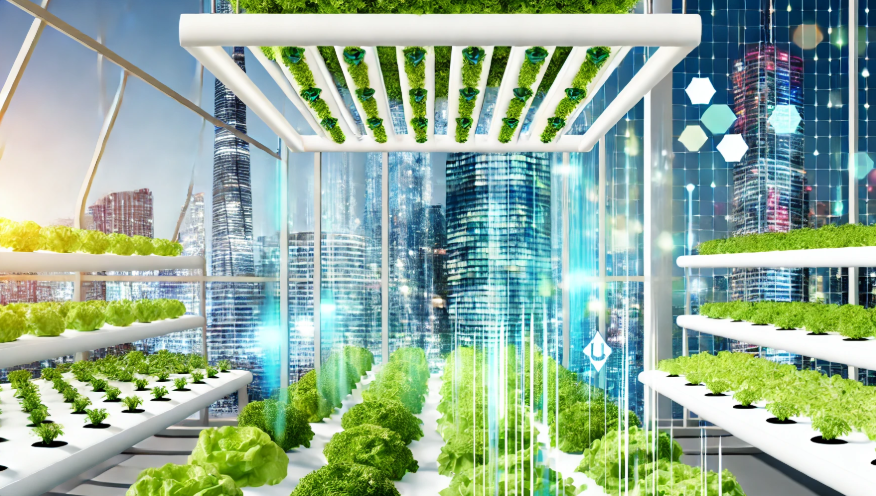
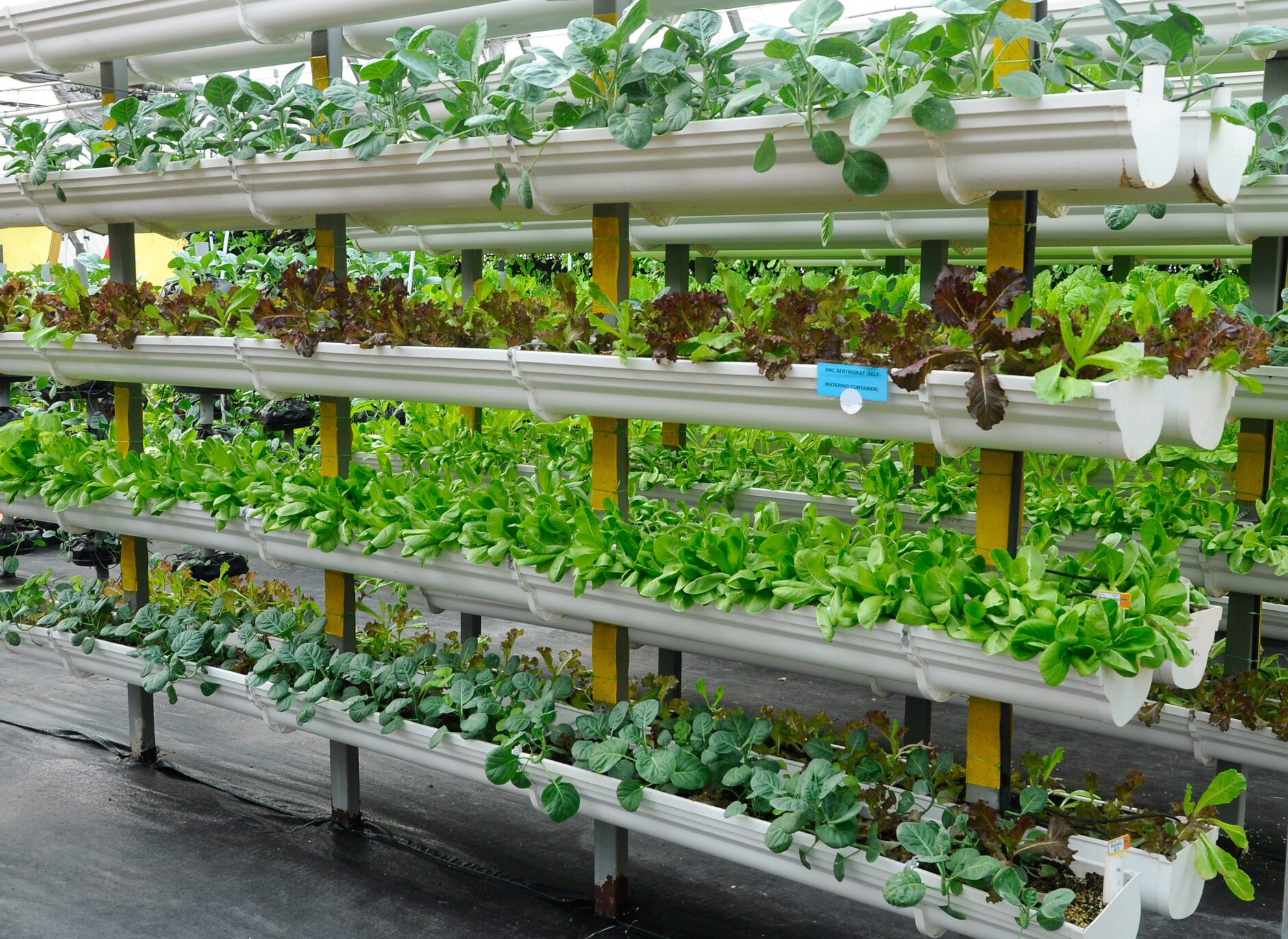
One of the foremost advantages of vertical farming is its ability to maximize space utilization. In traditional farming, the amount of workable land is finite, and as urbanization expands, the availability of suitable land for agriculture diminishes. Vertical farming’s stacked structures, whether in high-rise buildings, repurposed warehouses, or on the rooftops of buildings enable farmers to cultivate crops upwards, making it possible to grow more food in less space. This innovative use of vertical space allows for agriculture in urban environments, reducing the need for extensive land and mitigating the environmental impact associated with deforestation for traditional farming.
Year-Round Crop Production
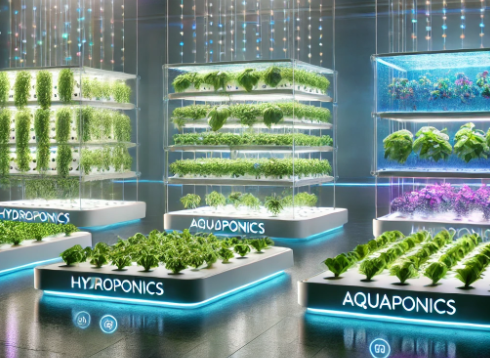
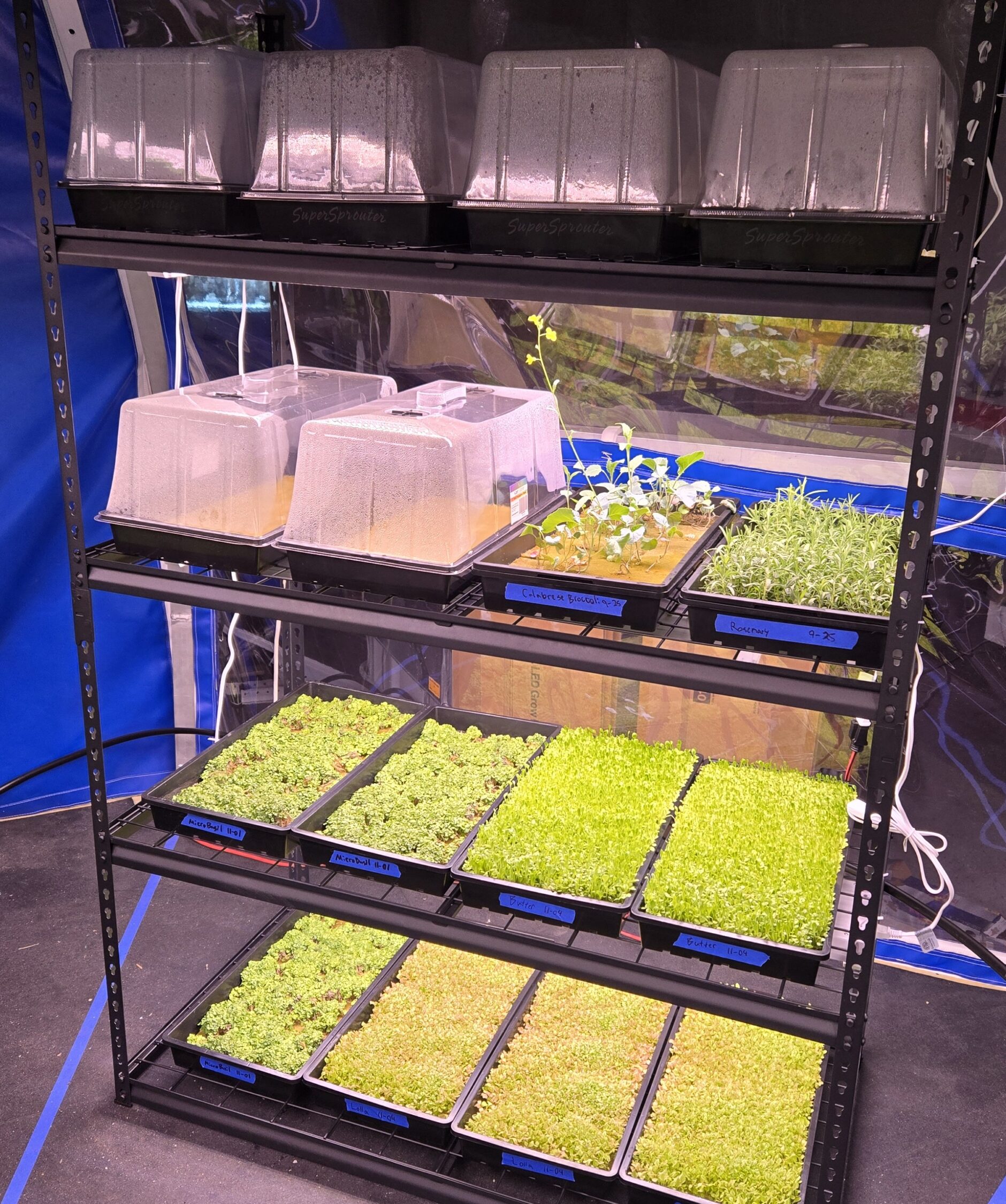
Vertical farming leverages controlled indoor environments, such as hydroponics, aeroponics, or aquaponics systems, to create optimal growing conditions. This means that farmers can control temperature, humidity, and light, allowing for year-round crop production. This is referred to as controlled environment agriculture (CEA). Unlike traditional farming, which is often subject to seasonal limitations, vertical farming ensures consistent and predictable harvests. This not only leads to a more stable food supply but also reduces the vulnerability of crops to adverse weather conditions, pests, and diseases.
Water Efficiency and Conservation
Water scarcity is a pressing concern in many regions globally, making efficient water use a critical aspect of sustainable agriculture. Vertical farming employs closed-loop irrigation systems such as hydroponics or aeroponics, where plants receive water and nutrients directly, minimizing wastage. Compared to traditional farming methods that often rely on extensive irrigation, vertical farming can significantly reduce water consumption. Additionally, the closed system prevents nutrient runoff, contributing to improved water quality and conservation.
Energy Efficiency and Sustainability
Vertical farming systems often incorporate advanced technologies such as full-spectrum LED lighting, optimized for the specific needs of plants. These energy-efficient lighting systems not only support photosynthesis but also consume less energy compared to traditional agricultural practices. Furthermore, the controlled environment in vertical farms minimizes the need for pesticides and herbicides, reducing the environmental impact associated with conventional farming. As sustainability becomes a central focus in agriculture, vertical farming emerges as a more eco-friendly alternative.
Reduced Transportation and Food Miles
Traditional agriculture often involves transporting crops over long distances to reach consumers. The average fruits and vegetables one buys at the grocery store have traveled hundreds or thousands of miles and take two weeks or longer to make it from farm to shelf. This transportation contributes to carbon emissions, energy consumption, and food spoilage. Vertical farms can be strategically located in urban areas, minimizing the distance between the point of production and consumption. This reduced need for long-haul transportation not only lowers the carbon footprint but also ensures fresher produce reaching consumers. The concept of “food miles” becomes almost negligible in vertical farming, aligning with the principles of sustainable and locally sourced food.
Bolstering Food Security
The controlled and predictable nature of vertical farming has significant implications for global food security. By providing a consistent and year-round supply of fresh produce, regardless of external conditions, vertical farming can help mitigate the impact of climate-related disruptions and contribute to more stable food prices. Moreover, its potential to operate in urban environments brings the farm closer to consumers, ensuring a more reliable food supply chain, limiting food insecurity and food deserts.
Crop Diversity and Specialty Crops
Vertical farming’s controlled environments allow for the cultivation of a wide variety of crops, including those that might be challenging to grow in certain climates or regions. This opens up possibilities for the production of specialty crops and niche markets. Farmers can tailor growing conditions to the specific needs of different plants, expanding the range of available produce and promoting biodiversity in agriculture. This diversification is not only economically beneficial for farmers but also enriches culinary experiences for consumers.
Job Creation and Technological Innovation
The adoption of indoor farming introduces new job opportunities in the agriculture industry, particularly in areas related to technology, engineering, and data analytics. The operation and maintenance of vertical farms require skilled professionals who can oversee the intricate systems that control the growing environment. Additionally, the integration of smart technologies, automation, and data-driven decision-making in vertical farming contributes to advancements in agricultural practices, pushing the industry towards increased efficiency and sustainability.
Adaptability to Urbanization
As the global population continues to migrate towards urban centers, traditional agriculture faces challenges in meeting the food demands of these densely populated areas. Vertical farming offers a solution by adapting to urban landscapes, transforming vacant buildings and rooftops into thriving agricultural hubs. This adaptability not only addresses the spatial constraints of urban environments but also fosters a more resilient and localized food production system.
Educational Opportunities and Community Engagement
Indoor farming’s visual appeal and technological aspects make it an excellent educational tool. These farms can serve as living classrooms, offering opportunities for schools, communities, and aspiring farmers to learn about sustainable agriculture, plant biology, and advanced technologies. Engaging the community in the food production process fosters a deeper understanding of the importance of sustainable practices and encourages more people to participate in shaping the future of agriculture.
Conclusion
In conclusion, vertical farming represents a transformative shift in the agriculture industry, offering solutions to some of its most pressing challenges. From maximizing limited space and ensuring year-round crop production to promoting water and energy efficiency, vertical farming embodies the principles of sustainability and adaptability. As technology continues to advance and the world grapples with the complexities of feeding a growing population, the vertical farming revolution stands as a beacon of innovation, pointing the way towards a more resilient, efficient, and sustainable future for agriculture. The vertical farm’s ascent is not just a paradigm shift; it’s a green revolution scaling to new heights, and its impact on the agricultural landscape is poised to be felt for generations to come.